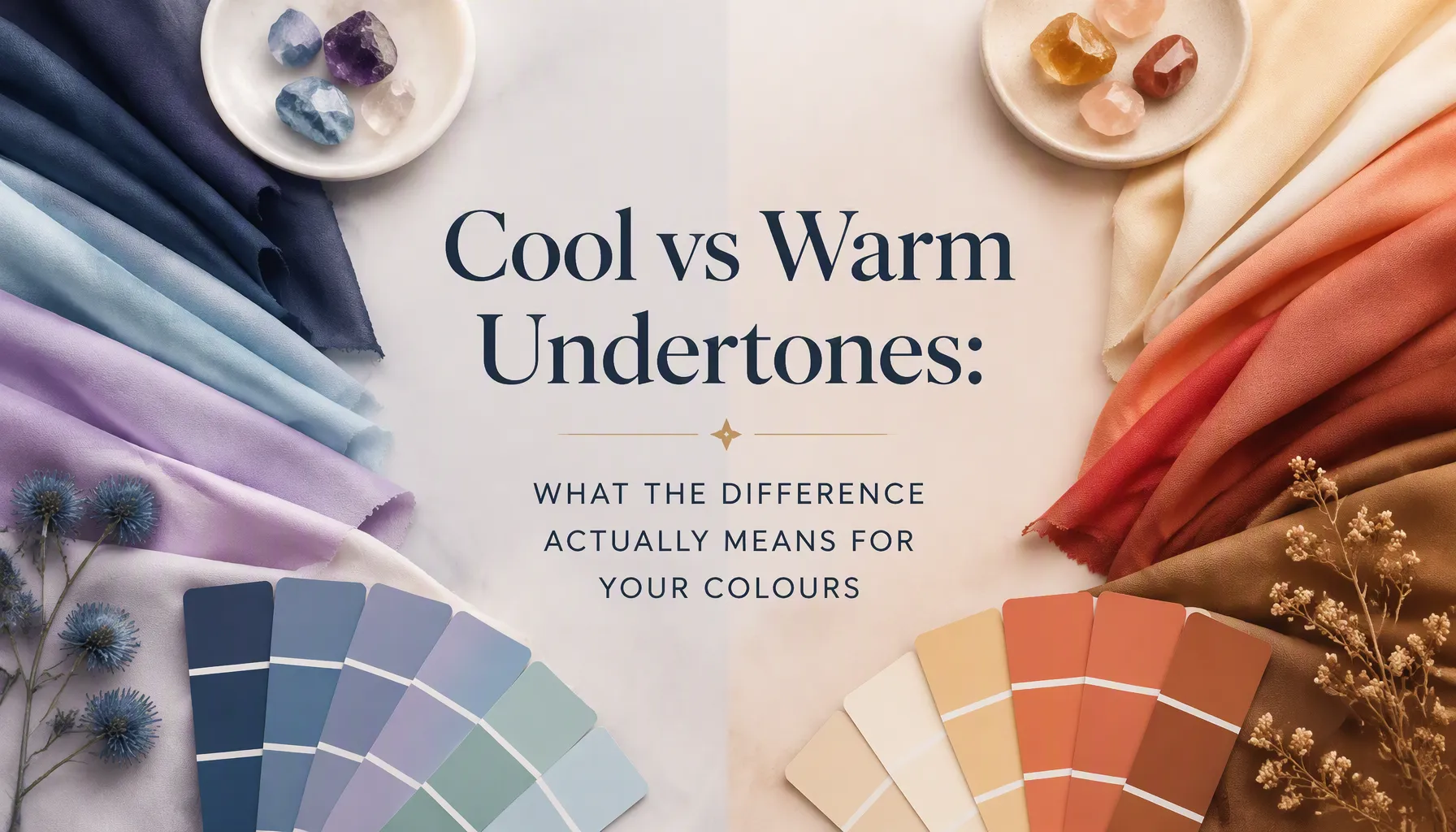
Your skin has two layers of colour. The surface colour — your complexion, your tan, your skin depth — is what most people notice first. Then there is the undertone: the underlying cast that sits beneath the surface and never changes, no matter how much sun you get or how pale you are in winter.
The surface colour shifts. The undertone does not. That permanence is what makes it the foundation of colour analysis.
What "Warm" and "Cool" Actually Mean
A warm undertone has a golden, peachy, or yellow cast. In the right light, warm skin has a sun-kissed quality even when it has not seen the sun. The shadows carry gold. The cheeks have a peach flush rather than a pink one.
A cool undertone has a pink, red, or blue-tinged cast. Cool skin can be very fair, medium, or deep — what it shares is the absence of yellow warmth. The shadows read neutral or slightly rosy. The flush is pink, not peach.
A neutral undertone sits between the two — neither obviously golden nor obviously pink. Neutral-undertone people are relatively rare and often find they can wear both warm and cool colours with some flexibility, though they still have a lean.
The warm-cool axis is the single most important diagnostic in colour analysis. Every one of the twelve seasons sits on one side or the other. Get it wrong, and nothing else in your wardrobe calculus will work correctly.
The Tests
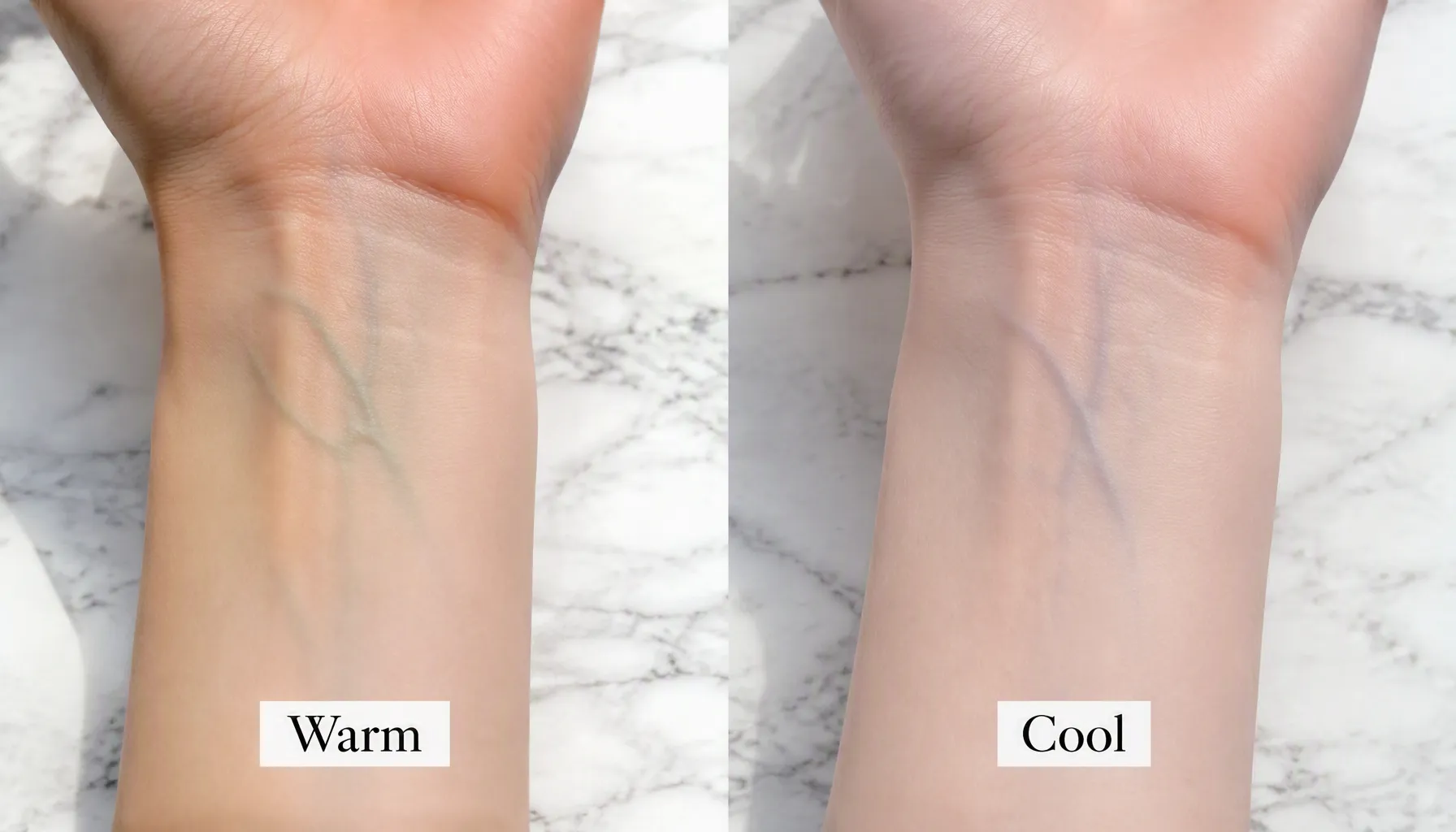
The vein test. Look at the inside of your wrist in natural daylight — not fluorescent light, not candlelight. If your veins appear green or greenish-blue, your undertone is warm: the yellow in your skin is mixing with the blue of the vein to read green. If your veins appear blue or blue-purple with no green cast, your undertone is cool. If you genuinely cannot determine which you are seeing, you may be neutral.
This test is useful as a starting point, but it has limits. Vein colour is affected by skin depth — on very deep skin, veins are difficult to read. And the green-vs-blue distinction is subtle enough that many people convince themselves they see green when they want to be warm, or blue when they want to be cool.
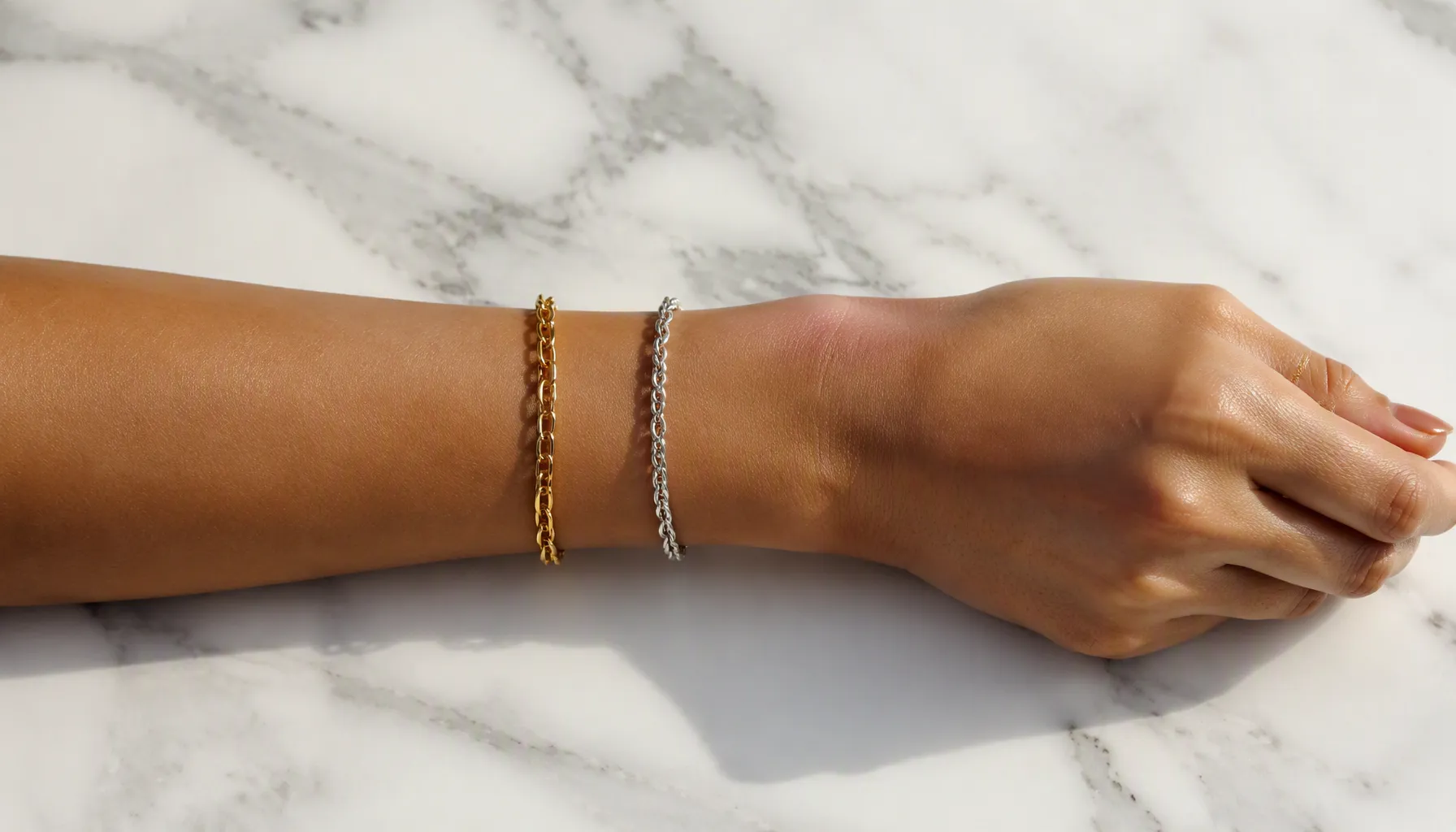
The metal test. Hold a piece of gold jewellery and a piece of silver jewellery against your skin, one at a time. The metal that makes your skin look cleaner, more awake, and more harmonious is your answer. Warm undertones harmonise with gold — the gold reads as part of the skin rather than separate from it. Cool undertones harmonise with silver. If both look equally good or equally wrong, your undertone may be neutral.
The draping test. This is the most reliable method and the one used in professional consultations.
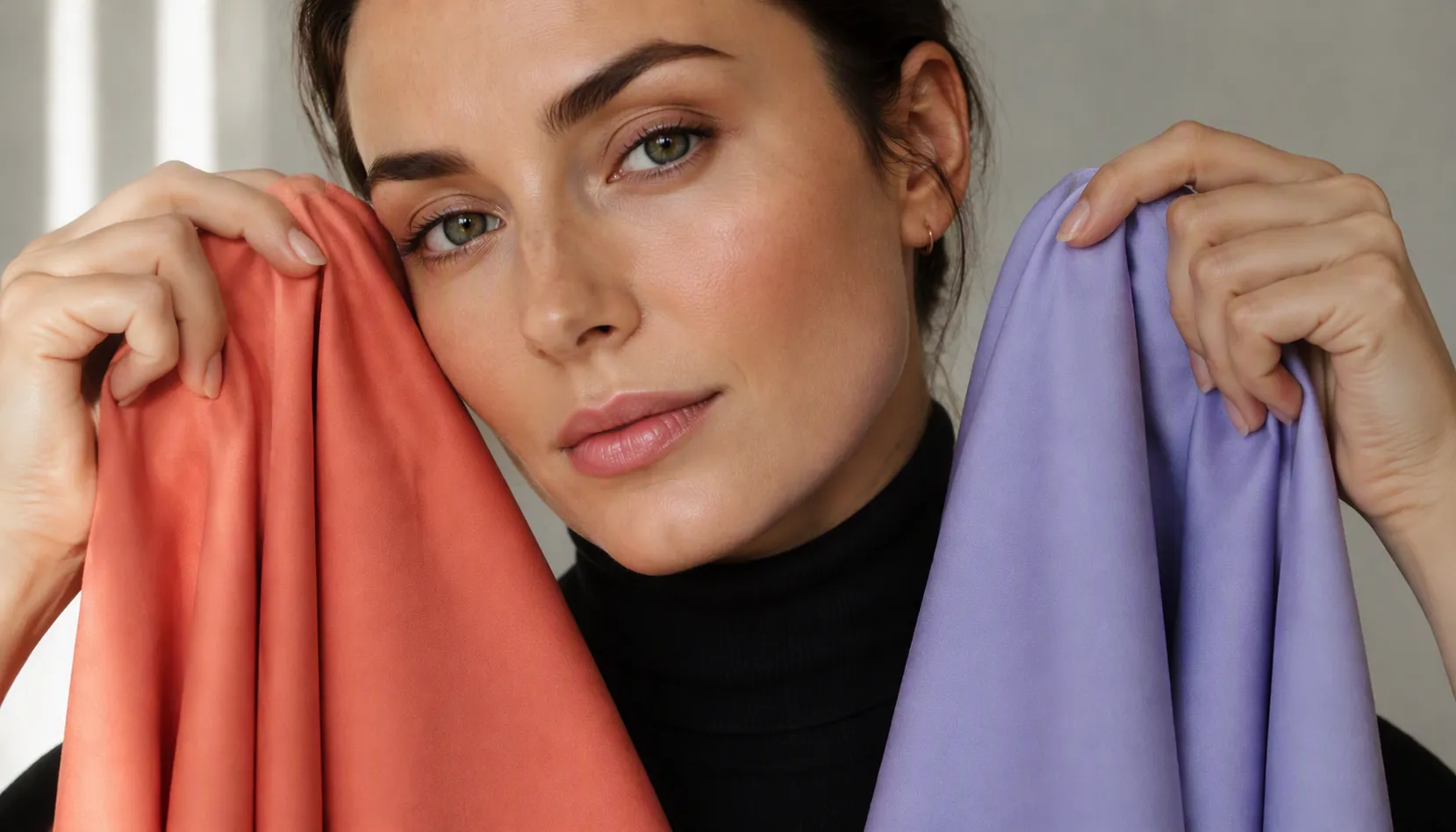
Hold a warm fabric — terracotta, warm coral, golden yellow — close to your face in natural daylight. Then hold a cool fabric — icy lavender, soft rose, blue-toned pink. Compare what each does to the area immediately around your eyes and mouth. The warm fabric that makes the shadows lighter, the skin look more even, and the eyes appear more vivid is the right temperature. The wrong fabric deepens shadows, emphasises blemishes, and makes the face look slightly grey or washed out.
Why It Matters Beyond "Gold or Silver"
Most people learn about undertones in the context of jewellery or foundation shade. Both are useful, but they understate how far this extends.

Undertone temperature governs your entire relationship with colour. A warm-undertone person wearing cool grey will often look tired — not because grey is an ugly colour, but because the temperature conflict sends a subtle mismatch signal. The grey pulls blue out of the skin. The warm undertone fights back. The result reads as dull or unwell.
The same principle runs through every colour category:
- ✦Reds: warm reds (tomato, terracotta, coral) versus cool reds (raspberry, burgundy, blue-red)
- ✦Blues: warm teal versus cool navy; warm sky blue versus cool periwinkle
- ✦Neutrals: warm camel, cream, and warm brown versus cool taupe, grey, and cool chocolate
- ✦Whites: warm ivory versus cool bright white — this one alone is responsible for countless "I can't wear white" misdiagnoses
When you dress in your temperature, you are not just avoiding bad colours. You are creating harmony between your skin and your clothes that makes your face the first thing people notice, not your outfit.
Warm and Cool Within the 12-Season System
The twelve-season system divides every season by temperature first. The six warm seasons are True Spring, Light Spring, Bright Spring, True Autumn, Soft Autumn, and Dark Autumn. The six cool seasons are True Summer, Light Summer, Soft Summer, True Winter, Bright Winter, and Dark Winter.
Within each family, the sub-seasons add a second axis — depth, chroma, or contrast. But temperature is always the gate. A warm season will never share a palette with a cool one, no matter how similar their complexions look on the surface.
Knowing your temperature does not tell you your season, but it eliminates half the system in one step. If you are warm, your season is a Spring or an Autumn. If you are cool, your season is a Summer or a Winter. From there, depth and chroma narrow it to one.
Find your season at inmycolors.com.